PRESS RELEASE IBCSD and NPAP Encourage Synergy for Plastic Packaging EPR Implementation
In this dialogue, the Ministry of Environment and Forestry represented by the Director of Waste Management, Sinta Saptarina emphasized the importance of implementing the circular economy concept to stop plastic pollution. “The insistence on a global commitment to the UNEA Resolution in handling plastic waste applies to all stakeholders and it is transboundary between countries, especially for marine plastic. In this case, MoEF Regulation No. 75/2019 regarding the Waste Reduction Roadmap is more advanced and detailed,” she said. Sinta hopes that this regulation can become an opportunity and encourage sustainable business to become a necessity.
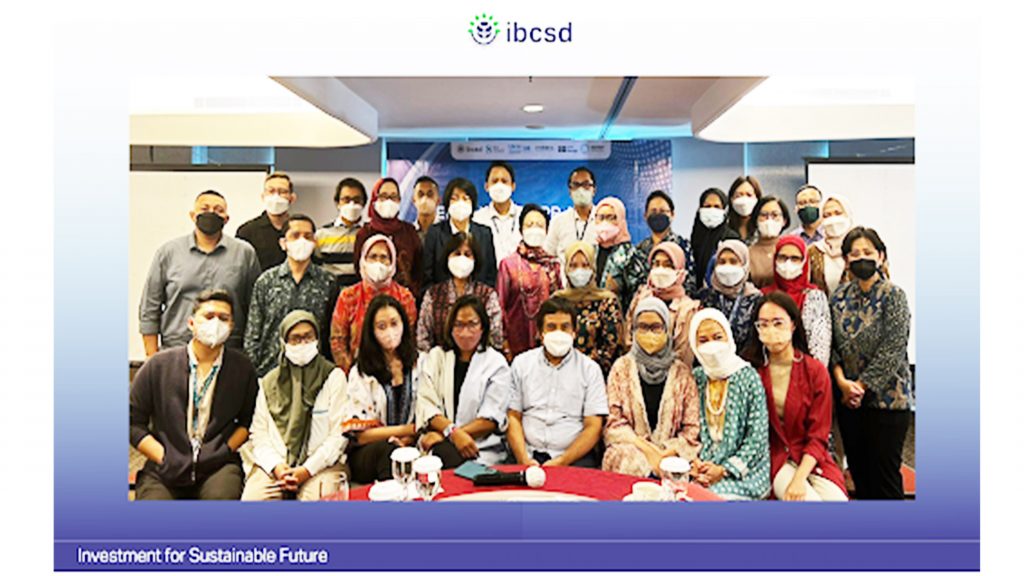
To emphasize the Brand Owners’ perspective on EPR, the Dialogue also invited several speakers, including Murboyudo Joyosuyono as the Young Functional Industrial Supervisor of the Directorate of Downstream Chemical and Pharmaceutical Industries, Ministry of Industry, Prawitya Soemadijo as the Corporate Sustainability Director of Nestle Indonesia, Elly Mustrianita as the Director of Business Development Projects and Corp Communication Asia at PT PZ Cusson Indonesia, and Maya as the Head of Sustainable Environment at Unilever Indonesia and Tuti Hendrawati Mintarsih, Supervisory Board of the Indonesian Plastic Recycling Association (ADUPI) and moderated by Kirana Agustina from NPAP.
the Downstream Chemical and Pharmaceutical Industry Directorate of the Ministry of Industry, Murboyudo, to explain further the government’s strategy to regulate the use of plastic will be expanded through the preparation of Guidelines for the Production of Recycled PET Plastic Food Packaging Guidelines and the RSNI for Easily Degradable Plastic Packaging. He continued by stating that the opportunity for the development of the recycling industry is wide open for the Sumatra and Sulawesi regions. “However, the availability of recycled raw materials must be adequate,” he said.
Currently, several companies that own brands of fast-moving consumer goods (FMCG) have attempted to implement a circular economy and EPR in accordance with government regulations. There were several interesting things from various sources. Both Nestle, PZ Cussons, and Unilever had committed to reducing plastic material in products by 25%, redesigning packaging, and collecting and recycling plastics to educate various groups.
“Currently the infrastructure ecosystem supporting the collection and recycling of plastics, especially multilayer in terms of technology, suppliers, and collection, is still a challenge,” said Prawitya Soemadijo from Nestle.
Elly Mustrianita from PZ Cussons emphasized that the implementation of EPR cannot only depend on the company, “We also depend on suppliers, if the initial provider is able to offer competitive prices and can meet market demand, then it will certainly be a consideration for the industry”.
Maya Tamimi from Unilever also agreed with this, “Another challenge for business commitment to EPR is that the application of regulations should apply equally among industries.” she said.
Tuti Hendrawati Mintarsih from ADUPI emphasized, “The key to successful recycling lies in Collection-Separation and Supply-Demand”. If at the time of segregation and collection, the value of recyclable waste increases and varies, resulting in an increase in supply and demand. For this reason, collaboration and synergy between collectors, aggregators, suppliers, research institutions, government, companies and the community in managing waste is beneficial.
“NPAP is ready to assist in the dissemination of these regulations to producers in order to facilitate the implementation of MoEF Regulation No. 75/2019. NPAP appreciates the efforts made by consumer goods and brand owners in reducing plastic waste; we will continue to encourage them to innovate and collaborate and to fulfill the requirements in order to carry out the responsibility to reduce waste.”, said Tuti Hadiputranto, Chairwoman of WRI Indonesia’s NPAP.
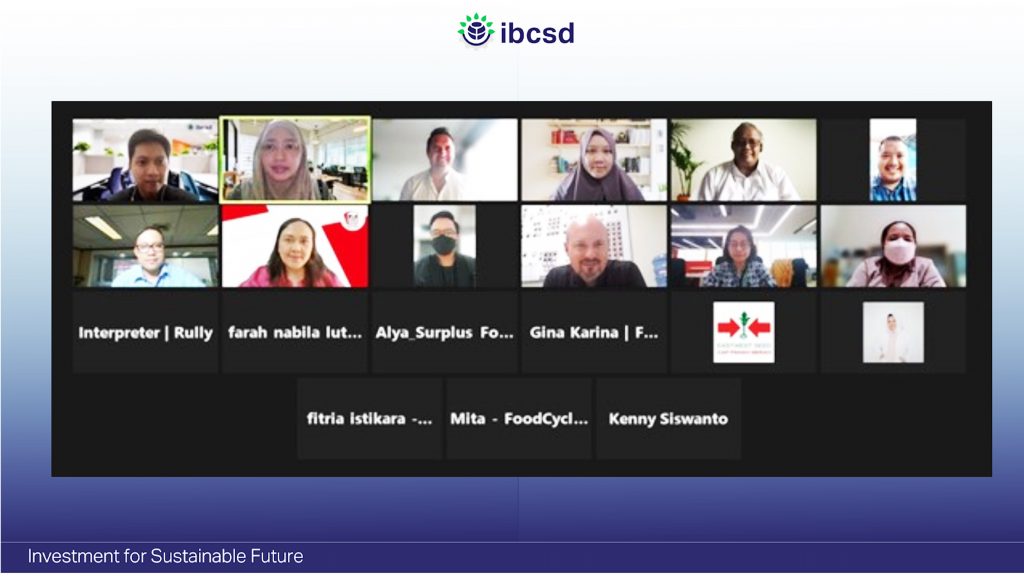
This well and interactive discussion was part of the IBCSD program, Tackling Marine Litter by Seizing Circularity Opportunities supported by SEA Circular, UNEP, and COBSEA seeking to encourage business awareness to contribute to reducing marine litter by implementing circular economy and EPR. This dialogue is expected to be able to enrich business insights and be a trigger for all to continue the good intentions of building the Indonesian economy that still cares about the natural environment. So that in the future various real actions can be implemented by each existing sector for the realization of a plastic-free Indonesia.
PRESS RELEASE
IBCSD dan NPAP Dorong Sinegi Implementasi EPR Plastik Kemasan
JAKARTA – Indonesia Business Council for Sustainable Development (IBCSD) bersama National Plastics Action Partnership (NPAP) menyelenggarakan Dialog Industri dan Pemilik Merek bertemakan “Enchancing EPR among Consumer Goods and Brand Owners”, secara luring dan daring di Jakarta, Selasa (12/7), yang dilanjutkan dengan panel diskusi. IBCSD dan NPAP mendukung penuh komitmen sinergi implementasi penerapan tanggung jawab produsen yang diperluas (EPR) dalam konteks kemasan daur ulang yang dilakukan oleh perusahaan pemiliki merek dalam upaya mengatasi sampah plastik di Indonesia.
Pendekatan EPR dalam pengurangan sampah, termasuk sampah plastik dan kemasan, telah didorong oleh regulasi PERMENLHK No.75/2019. Peraturan yang menyasar sektor industri manufaktur, ritel dan jasa makanan minuman ini mengatur tanggung jawab produsen atas produknya, mulai dari perencanaan pengurangan sampah, pelaksanaan, evaluasi dan pelaporan.
Dalam dialog ini, Kementerian Lingkungan Hidup dan Kehutanan yang diwakili oleh Direktur Pengelolaan Sampah, Sinta Saptarina menekankan pentingnya penerapan konsep ekonomi sirkular untuk mengakhiri polusi plastik “Desakan komitmen global pada UNEA Resolution dalam penanganan sampah plastik berlaku untuk seluruh pihak dan bersifat transboundary antar negara, khususnya untuk marine plastic. Dalam hal ini, PERMENLHK No.75/2019 mengenai Peta Jalan Pengurangan Sampah sudah lebih advance dan detail,” ungkapnya. Sinta berharap peraturan ini dapat menjadi peluang dan mendorong sustainable business menjadi suatu kebutuhan.
Sejalan dengan hal tersebut, Dialog ini turut mengundang beberapa pembicara, yaitu Murboyudo Joyosuyono selaku Fungsional Muda Pembina industri Direktorat Industri Kimia Hilir dan Farmasi, Kementerian Perindustrian, Prawitya Soemadijo, Corporate Sustainability Director Nestle Indonesia, Elly Mustrianita, Director Business Development Projects and Corp Communication Asia PT PZ Cusson Indonesia, Head of Sustainaible Environment Unilever Indonesia Foundation Maya Tamimi, dan Tuti Hendrawati Mintarsih, Dewan Pengawas Asosiasi Daur Ulang Plastik Indonesia (ADUPI) dan dimoderatori oleh Kirana Agustina dari NPAP.
Perwakilan Industri Kimia Hilir dan Farmasi Kementerian Perindustrian, Murboyudo untuk menjelaskan lebih lanjut strategi pemerintah mengatur penggunaan plastik akan diperluas melalui penyusunan Pedoman Cara Produksi Kemasan Pangan Plastik PET Daur Ulang dan RSNI Kemasan Plastik Mudah Terurai. Ia menambahkan peluang pengembangan industri daur ulang terbuka luas untuk wilayah Sumatera dan Sulawesi. “Namun ketersediaan bahan baku layak daur ulang harus memadai,” ungkapnya.
Saat ini, beberapa perusahaan pemilik merek barang konsumsi cepat habis (FMCG) telah berupaya menerapkan ekonomi sirkular dan EPR sesuai peraturan pemerintah. Ada beberapa hal menarik dari berbagai narasumber, baik Nestle, PZ Cussons, dan Unilever telah berkomitmen untuk mengurangi material plastik pada produk sebanyak 25%, mendesain ulang kemasan, melakukan pengumpulan dan mendaur ulang plastik hingga melakukan edukasi ke berbagai kalangan. “Saat ini ekosistem infrastruktur mendukung pengumpulan dan daur ulang plastik khususnya multilayer dari segi teknologi, suplier dan collection masih menjadi tantangan.” ungkap Prawitya Soemadijo dari Nestle. Elly Mustrianita dari PZ Cussons menekankan penerapan EPR tidak bisa hanya bergantung pada perusahaan, “Kami juga bergantung pada suplier, jika penyedia awal mampu menawarkan harga kompetitif dan dapat memenuhi market demand maka tentu menjadi pertimbangan bagi industri”. Maya Tamimi dari Unilever pun setuju dengan hal tersebut, “Tantangan lain komitmen bisnis menuju EPR yaitu penerapan peraturan sebaiknya berlaku rata antar sesama industri.” ungkapnya.
Tuti Hendrawati Mintarsih dari ADUPI menekankan “Kunci keberhasilan daur ulang ada pada Pengumpulan-Pemisahan dan Pasokan-Permintaan”. Apabila di saat pemisahaan dan pengumpulan sudah teratur, maka nilai sampah layak daur ulang bertambah dan beragam sehingga berdampak pada meningkatnya pasokan dan permintaan. Untuk itu kolaborasi dan kerjasama sinergi pengumpul, agregator, suplier, lembaga riset, pemerintah, perusahaan hingga masyarakat dalam mengelola sampah menjadi bermanfaat.
“NPAP siap mendukung implementasi PERMENLHK No.75/2019 dengan turut mendiseminasikan peraturan tersebut kepada para produsen. NPAP sangat menghargai usaha yang sudah dilakukan oleh para consumer goods dan brand owners dalam mengurangi sampah plastik; kami akan terus mendorong mereka untuk berinovasi dan berkolaborasi, serta memenuhi ketentuan dalam rangka melaksanakan tanggung jawab untuk mengurangi sampah”, tutur Tuti Hadiputranto, Chairwoman NPAP WRI Indonesia.
Diskusi yang berlangsung dengan baik dan interaktif ini merupakan bagian dari program IBCSD, Tackling Marine Litter by Seizing Circularity Opportunities yang didukung oleh SEA Circular, UNEP dan COBSEA berupaya mendorong kesadaran bisnis untuk turut andil mengurangi timbunan sampah laut dengan menerapkan ekonomi sirkular dan EPR. Dialog ini diharapkan mampu memperkaya wawasan bisnis dan menjadi pemantik bagi semua untuk terus melanjutkan niat baik membangun ekonomi Indonesia yang tetap memperdulikan alam sekitar. Sehingga kedepannya berbagai aksi nyata mampu diimplementasikan oleh tiap-tiap sektor yang ada demi terwujudnya Indonesia bebas plastik.
—Tentang IBCSD
Indonesia Business Council for Sustainable Development (IBCSD), adalah asosiasi yang dipimpin oleh CEO yang memiliki komitmen bersama untuk mempromosikan pembangunan berkelanjutan di Indonesia melalui pertumbuhan ekonomi, keseimbangan ekologi, dan kemajuan sosial. IBCSD adalah perwakilan regional dari WBCSD dan didirikan pada tahun 2011 oleh enam bisnis terkemuka di Indonesia termasuk Bakrie Telecom, Bank Negara Indonesia, Medco Power Indonesia, Holcim Indonesia, Garuda Indonesia, dan PT Riau Andalan Pulp Paper. Saat ini, kami telah berkembang menjadi 46 anggota dari 17 sektor usaha. Dengan program 6 pilar yaitu Food & Nature, People, Circular Economy, Climate & Environment, Cities & Mobilities, dan Redefining Value, IBSCD bertujuan untuk menjadi katalis kepemimpinan bisnis untuk perubahan menuju pembangunan berkelanjutan.
Tentang NPAP
National Plastic Action Partnership (NPAP) adalah suatu platform multipihak yang merupakan kolaborasi antara Global Plastic Action Partnership (GPAP) dengan Pemerintah Indonesia. NPAP mempertemukan para pembuat kebijakan, ahli, sektor bisnis, pengusaha, dan organisasi masyarakat sipil untuk bersama-sama berupaya mengurangi 70 persen sampah plastik di laut pada 2025. NPAP merupakan wadah berkumpul para pihak untuk mencapai target nasional pengurangan sampah plastik di laut pada tahun 2025 dan bebas sampah plastik pada tahun 2040. NPAP memiliki lima pilar kunci untuk mempercepat penyusunan solusi ekonomi sirkular untuk menyelesaikan masalah sampah plastik, yaitu kebijakan, keuangan, Inovasi, perubahan perilaku, dan metriks.