IBCSD WMBC 2025 – Peran Dunia Usaha dalam Mewujudkan NDC Indonesia 2035

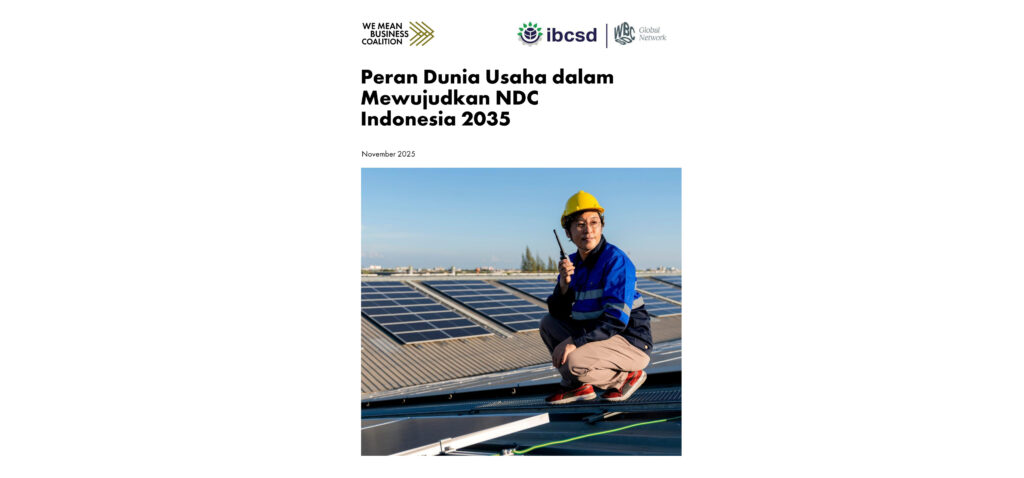
Rangkuman yang disusun oleh Indonesia Business Council for Sustainable Development (IBCSD )dan We Mean Business Coalition mengenai peran strategis dunia usaha dalam mewujudkan NDC Indonesia 2035. Ringkasan ini menegaskan bahwa Indonesia berada pada titik persimpangan penting: transisi menuju ekonomi rendah karbon dapat membuka peluang investasi hingga 3,8 triliun USD, memperkuat daya saing industri, dan meningkatkan ketahanan energi nasional.

Melalui kolaborasi erat antara pemerintah dan sektor swasta, serta penyelarasan peta jalan sektoral, Indonesia dapat memastikan bahwa NDC 2035 tidak hanya menjadi komitmen iklim, tetapi juga peta jalan transformasi ekonomi jangka panjang.

Unduh ringkasan lengkapnya pada tautan di bawah untuk melihat peluang, tantangan, dan rekomendasi kebijakan bagi percepatan investasi bisnis menuju pencapaian NDC Indonesia 2035.
Download


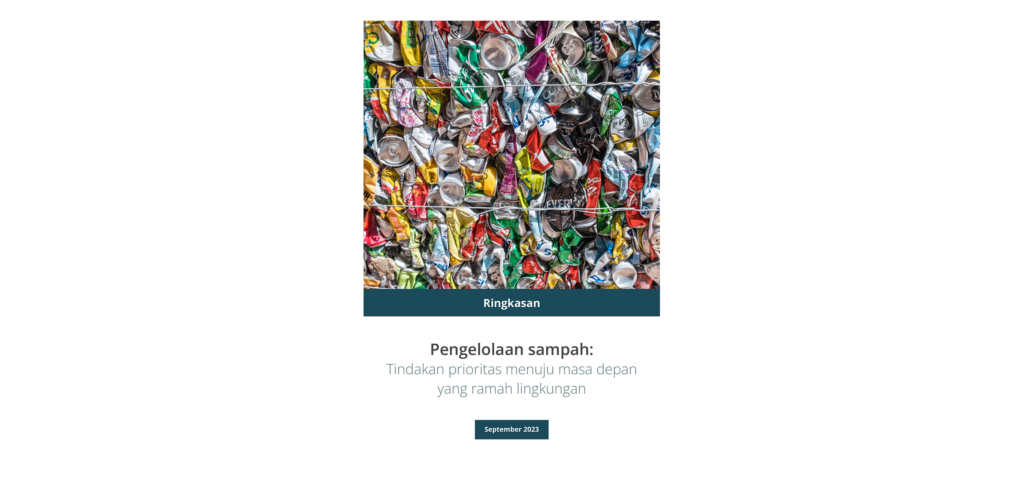
Waste Management Sector Guideline

The global “take-make-waste” economy is driving unsustainable resource use, contributing to 90% of biodiversity loss and water stress. With global waste projected to soar to 3.4 billion metric tons by 2050, we are consuming resources 1.75 times faster than Earth can regenerate. Waste management companies have a vital role to play in reversing this trend by promoting prevention, reduction, recycling, and circular economy practices. By transforming operations and value chains, the sector can help reduce pressure on nature and contribute to the Global Biodiversity Framework’s goal to halt and reverse nature loss by 2030 through more sustainable resource and waste systems.

Read the Ringkasan here

Agri Food Sector Guideline

The agri-food system, which spans from input supply to food disposal, sustains 2.5 billion livelihoods and feeds the global population. However, it heavily depends on—and simultaneously threatens—biodiversity and ecosystems. Agriculture is the leading driver of deforestation, biodiversity loss, and soil degradation, impacting 86% of species at risk of extinction. Despite these challenges, the sector holds immense potential to drive nature-positive change. To ensure food security, human health, and ecological balance, a rapid transformation in how food is produced, sourced, and consumed is critical. Sector-specific actions guide businesses in supporting the Global Biodiversity Framework’s mission to reverse nature loss by 2030.

Read the Ringkasan here

Cement and Concrete Sector Guideline

As demand rises, the cement and concrete sector must act now to align with nature-positive and net-zero goals. While some companies already operate under strict regulations and industry-led sustainability efforts like those by the Global Cement and Concrete Association, the sector still contributes to nature loss through emissions, water use, and quarrying. To support the Global Biodiversity Framework’s 2030 mission, sector-specific actions have been developed to guide companies in transforming their practices and reducing environmental impacts across the value chain.

Read the Ringkasan here

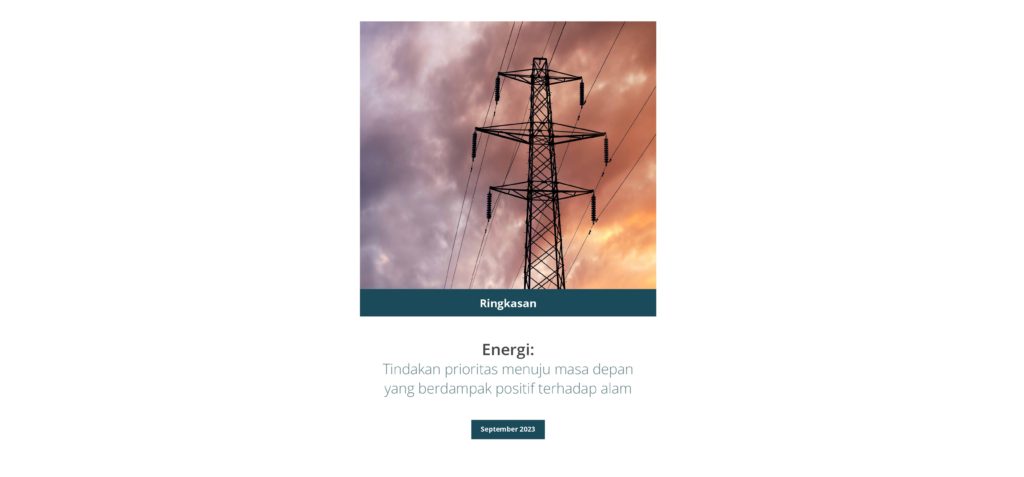
Energy Sector Guideline

The energy system, including oil, gas, and utilities, plays a critical role in both driving and addressing nature loss. It encompasses all aspects of energy production, conversion, storage, delivery, and use. With high greenhouse gas emissions and intensive land and water use, the sector significantly impacts nature and faces risks to business continuity. However, it also holds vast potential to support nature-positive outcomes, as energy is essential across industries and households. A guideline of Energy sector actions has been developed to align energy systems with the Global Biodiversity Framework’s 2030 mission to halt and reverse nature loss.

Read the Ringkasan here

Forest Sector Guideline

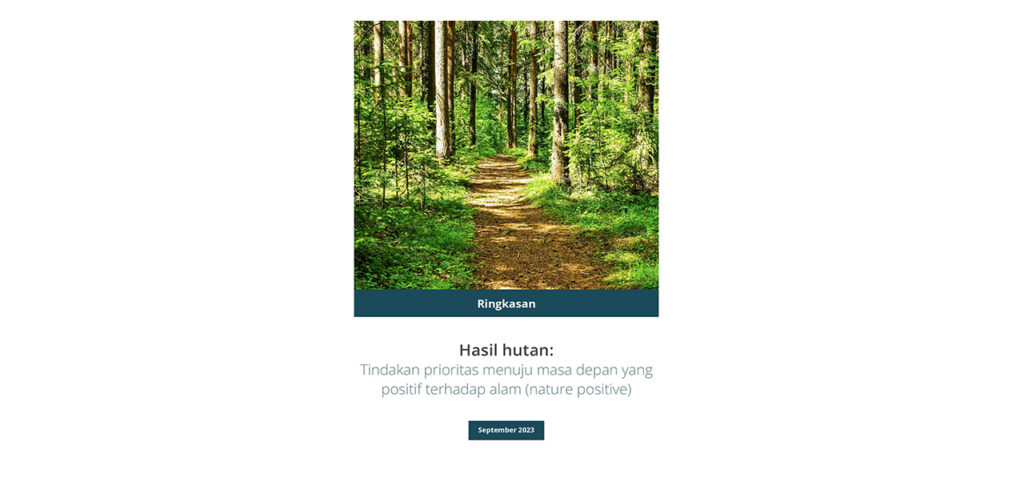
Forest companies, managing around 30% of the world’s forests for wood production, are key players in achieving a nature-positive and net-zero future. Their operations rely heavily on healthy ecosystems, especially for long-term wood fiber supply. However, long harvest cycles make them vulnerable to climate and nature-related risks. To address these challenges and meet rising demand sustainably, the forest sector must transition to an inclusive circular bioeconomy, using wood from responsibly managed forests. A new guidance report outlines sector actions needed to transform business practices and support the Global Biodiversity Framework’s 2030 goals.

Read the Ringkasan here

TEEB for Agriculture and Food: Operational Guidelines for Business Activities

Embark on a journey towards sustainability with this comprehensive guide, crafted to support businesses in navigating the complexities of the TEEBAgriFood Evaluation Framework. With practical examples, insightful case studies, and a structured approach, this guide serves as a vital tool for businesses committed to shaping a more sustainable and equitable future for generations to come.

DOWNLOAD HERE

Closing the Loop in Plastic & Packaging – Best Practices from Businesses in Indonesia

Being aware of the mentioned above problem, Indonesia Business Council for Sustainable Development (IBCSD) through an initiative called Tackling Marine Litter by Seizing Circularity Opportunities share this working document of businesses’ smart practices and concrete actions in handling plastic waste in the spirit of EPR and circular business models titled Closing the Loop in Plastic & Packaging – Best Practices from Businesses in Indonesia.

Download

Panduan Konservasi Ekosistem dan Lingkungan di Indonesia bagi Dunia Usaha di Sektor Tambang.

Buku panduan pengelolaan keanekaragaman hayati di sektor tambang disusun untuk memberikan panduan mengenai bagaimana cara pengelolaan keanekaragaman hayati pada praktek-praktek bisnis di sektor tambang.

Buku panduan ini disusun dengan memberikan latar belakang pentingnya buku panduan ini, definisi dan cakupan, pentingnya pengelolaan keanekaragaman hayati, metode dan tahapan pengelolaan serta sistem pengelolaan dan alat penilaian yang digunakan.

Selain itu di dalam buku panduan ini juga dilengkapi dengan berbagai kebijakan, tools serta studi kasus dalam pengelolaan keanekaragaman hayati yang diletakkan dalam kotak studi kasus untuk membantu pembaca dalam memahami apa yang dimaksud dalam langkah-langkah yang dijelaskan.

Unduh Buku Panduan