Human Right Due Diligence Training for Business in Indonesia

In Indonesia, UNDP supports the United Nations Guiding Principles on Business Human Rights (UNGPs) is done inclusively and based on international standards. UNGPs use HRDD to help businesses assess and mitigate threats to the lives and dignity of stakeholders, including employees, vulnerable groups, communities, and consumers. Even though conducting HRDD does not have a direct impact on profitability. It would help companies avoid reputational and operational harm that might, for example, accompany charges of forced labor. 

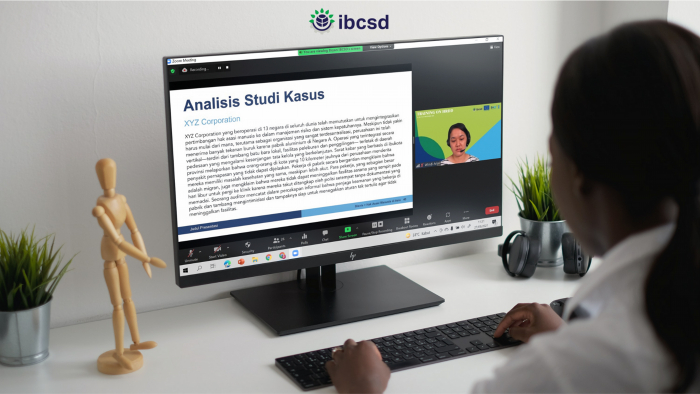
As the commitment to leverage the knowledge, understanding, and practical skills of human rights due diligence, UNDP and IBCSD had collaborated to host a series of Training on Human Rights Due Diligence for Business in Indonesia virtually on 21, 23, 27, and 29 September 2021. The training was attended by more than 31participants and opened by Elim Sritaba, Chief Sustainability Officer Asia Pulp & Paper represents the Executive Committee of IBCSD; Siprianus Bate Soro, Team Leader of Democratic Governance and Poverty Reduction, UNDP Indonesia; and Sean Less, Business and Human Rights Specialist, UNDP Asia Pacific.

Many speakers from the Raoul Wallenberg Institute (RWI), UNDP, UNICEF, ILO, Komnas HAM, and ELSAM lectured during the training. The training began with an overview of business and human rights, followed by discussions of business duties in human rights policy, human rights due diligence (introduction, identification, and evaluation), and corporate integration, monitoring impacts, and communicating reports on measures taken.

Ensuring that human rights in business operations are protected, respected, and promoted is a shared responsibility of governments, businesses, and organizations.


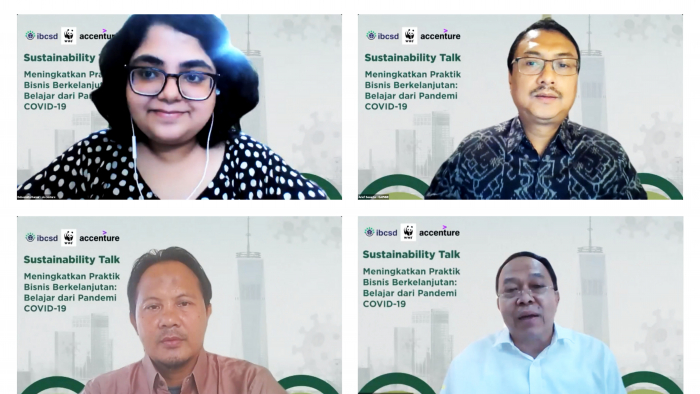
Sustainability Talk: Improving Sustainable Business Practices on Learning from the COVID-19 Pandemic

Oke Nurwan, Director General of Domestic Trade, Ministry of Trade, also conveyed that the COVID-19 pandemic had an impact on changes in the trade. In maintaining the sustainable industry, Oke said that 9 things are the focus in the Sustainable Consumption and Production (SCP) framework. The regulations for implementing industrial sustainability have been translated into various regulations by the Ministry and the Regional Regulations. But the next question is, can Indonesia commit to SDG 2030 from the Covid-19 pandemic?

Arief Susanto – Head of Sustainability Program & Impact / Social Contribution, the Association of Indonesian Food and Beverage Entrepreneurs (GAPMMI) said that during the pandemic the food and beverage industry is no longer only concerned with food availability and food security, but also natural resources and resilience. For this reason, the food and beverage industry has a role to help the community become a top priority. The best effort is how the community is still able to buy their needs (affordability), have easy access (accessibility), and fulfill their nutritional and nutritional needs.

In the sharing session, Debasmita Kumar, Sustainability Strategy, Accenture Development Partnerships explained that despite the pandemic, global demand for palm oil continues to increase, raising concerns about the negative impact on Southeast Asia. This is because the current trend in the palm oil industry has led to the 100% RSPO-CSPO’s commitment. Unfortunately, however, less than 25% of palm oil companies in Asia are RSPO certified.

The panel discussion discussing palm oil products and sustainable sourcing presented various perspectives from resource persons attended by Emil Satria, Director of Forest and Plantation Products Industry, Ministry of Industry; Ribut Triwanti, Deputy Head of Sustainability Program & Impact/Social Contribution, GAPMMI; Ali, Triambodo, RSPO Management Representative, PT Wahana Citra Nabati; Arya Kusumo, Sustainability Department Head, PT Lion Super Indo; Kharisma Fitriasari, Head of Corporate Communications, PT Mondelez Indonesia; Joko Sarjito, Sustainable Commodities Program Manager, WWF Indonesia Foundation and moderated by Risyika Putri Istanti, Deputy Head of the Lingkar Temu Kabupaten Lestari Program.

To encourage increased absorption of sustainable palm oil in Indonesia, Emil Satria said that the government has designed ISPO (Indonesian Sustainable Palm Oil) regulations for the management system of oil palm plantations from upstream to downstream, issuance of progressive levy tariff policies, harmonization of export customs and incentives for R&D and other activities. vocation. In a state of the COVID-19 pandemic, the Ministry of Industry issued a Mobility and Industrial Activity Operational Permit (IOMKI).

The palm oil industry sector both upstream and downstream has remained high-performing during this pandemic. In the upstream sector, the price of CPO which tends to be high from the beginning of the pandemic until now has been able to become the mainstay of creating the welfare of the oil palm farming community, especially in the 3Ts (Outermost, Innermost and Disadvantaged). Meanwhile, in the downstream sector, the supply capacity of the oleochemical industry has a high enough demand for the domestic and export markets.

Later in the session, Ali Triambodo and Arya Kusumo shared success stories of collaboration between upstream and downstream companies in realizing sustainability in the palm oil industry. PT Wahana Citra Nabati and Superindo made an action plan for sustainable palm oil which strives to provide healthier choices for customers. These two companies carry out an education campaign on sustainable product awareness by releasing a collaboration product of palm cooking oil with the RSPO label code. While Kharisma Fitriasari also shared the commitment of PT Mondelez Indonesia in the use of palm oil with the “Palm Oil Action Plan” and Traceability. Where Mondelez uses RSPO certified palm oil suppliers.

WWF Indonesia strives to help companies by assisting, enlightenment so that they can meet sustainability and traceability standards both downstream and upstream. In addition, WWF Indonesia also encourages companies that already commit to sustainability, provide education to their consumers.

Ribut Triwanti stated that GAPMMI has encouraged its members to practice sustainability. This is a challenge because as an association, GAPMMI must be able to provide knowledge and awareness of the extent to which members understand and desire to redesign business strategies towards sustainable practices. Because implementing sustainability is not easy and cheap. Requires time and resources, government support in implementation as well as assistance and monitoring.

From this panel discussion, the speakers called to action through 4K (Komitmen, Kiat, Kolaborasi dan Kontribusi). Strong commitment from the regulatory side. Tips for real action that are innovative and creative in turning challenges into opportunities. Collaboration and Contribution of all parties to achieve sustainable consumption and production practices.

IBCSD Launches Book on the Business Contribution to Achieve Sustainable Consumption and Production (SDGs 12)

Sustainable Consumption and Productions strive to decouple economic growth from environmental degradation, increase resource efficiency, and promote sustainable lifestyles which also can contribute substantially to poverty alleviation and the transition towards low-carbon and green economies.  A better understanding of the business’s value chain, product life cycles, environmental and social impacts of products and services are needed to lead and have the greatest potential to interfere, improve and make an impact while improving well-being.


Read the business contribution for more inspirations and insight 

Download here!

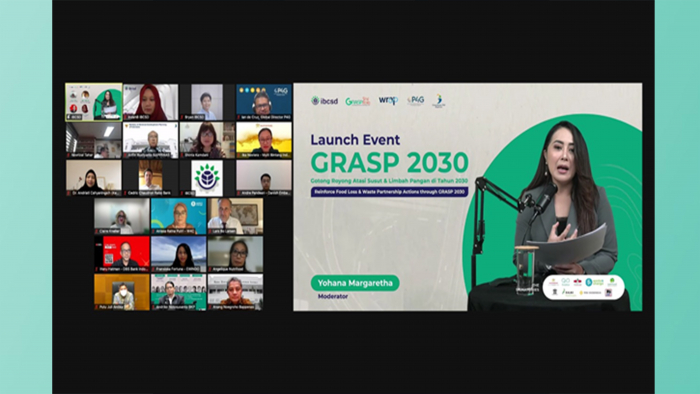
GRASP 2030 (Gotong Royong Atasi Susut & Limbah Pangan di 2030)

The GRASP 2030, which generously funded by P4G (Partnering for Green Growth and the Global Goals 2030), is built based on evident success of what has been done by WRAP (Waste & Resources Action Programme), IBCSD’s partner in developing GRASP 2030

The launch event was inaugurated by Dr. Arifin Rudiyanto as Deputy for Maritime Affairs and Natural Resources of the Ministry of National Development Planning/BAPPENAS and also attended by Ian De Cruz, Director of P4G Global and Lars Bo Larsen, Ambassador of Denmark to Indonesia.

From Ian de Cruz’s explanation, it was found that there is a US$2.5 trillion financing gap needed by developing countries to implement the SDGs. The gap will be filled if the private sector and investors can work together to find a solution. “What we are doing with GRASP 2030 is a Target, Measure, Act, Invest approach. This is in line with Indonesia’s commitment and national strategy to achieve the goals of the Low Carbon Development Initiative.” he added.

Danish Ambassador, Lars Bo Larsen in his speech explained, “When we talk about the food value chain, from production to consumption, I think it is important for Indonesia to identify different strategies at all levels. The challenge for every country is that we have different targets and actors at different levels.”

In addition, in the virtual launch event held on Wednesday 8 September 2021, entitled “Reinforce Food Loss and Waste Partnership Actions through GRASP 2030”, several representatives of companies that have joined GRASP 2030 were present, including Afrizal Gindow, Deputy Managing Director of East West Seed Indonesia; Ika Noviera, Head of Corporate Affairs of PT Multi Bintang Indonesia; Angelique Dewi, Head of Corporate Communication at Nutrifood; Anissa Ratna Putri, Consulting Manager of Waste4Change; and M. Agung Saputra, Managing Director of Surplus Indonesia.

Rows of other panelists from government agencies who also support this program, among others, Dr. Andriko Noto Susanto, Head of the Center for Food Availability and Reserves of the Food Security Agency; Novrizal Tahar, Director of Waste Management at the Ministry of Environment and Forestry; Andriati Cahyaningsih, Policy Analyst for the Green Industry Center of the Ministry of Industry; Putu Juli Ardika, Expert Advisor to the Minister of Industry, Strengthening and Disseminating Industry at the Ministry of Industry, and Anang Noegroho, Director of Food and Agriculture at BAPPENAS.

Putu Juli Ardika, from Ministry of Industry, said that in terms of the processing and packaging industry, since 2000, food loss was recorded at around 4.17%, in 2011 it fell to 3.75%, and in 2019 it fell again to 3.26%. “We appreciate industry players participating together on how to reduce food loss and food waste. We think this effort will be quite successful,” he concluded.

In closing the event, Anang Noegroho emphasized that his party appreciated two things. The first is the tagline ‘Gotong Royong’ which is a form of social capital to build this nation in a better direction, building initiatives that are the original face of our nation. Second, the government really appreciates multi-stakeholder cooperation and does not forget about the inclusiveness and synergy of all parties.

As of the launch date, nine founding signatories of GRASP 2030 has joined, including East West Seed Indonesia, Multi Bintang Indonesia, Nutrifood, Kalbe Nutritionals, Sintesa Group, Waste4Change, Surplus Indonesia, WRI Indonesia, and PT Lion Super Indo. Through GRASP 2030, businesses can increase their capacity to manage food loss and waste, improve their reputation in terms of sustainability, gain more connections, and improve their business operation and potential benefit.
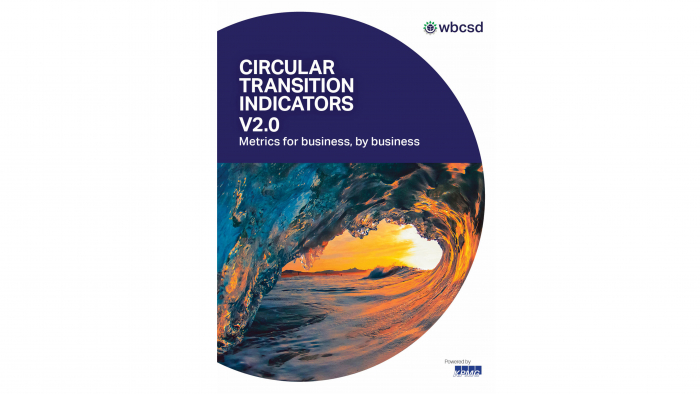
Circular Transition Indicators v2.0 – Metrics for business, by business

Although the use of common indicators for circularity performance is essential to accelerating the transition to the circular economy, the value of CTI for a company goes beyond the calculation in the guidance, analysis and explanation for how circularity drives company performance. The CTI process helps companies’ scope and prepare the assessment and interpret its results, understand its risks and opportunities, prioritize actions and establish SMART targets to monitor progress.  

Version 2.0 comes a year after the launch of CTI v1.0 bringing three main additions in the existing methodology, including:

  • Water Circularity: As promised in CTI v1.0, this version now includes calculations for Circular Water Inflow/Outflow and Onsite Water Circulation.
  • CTI Revenue: Acknowledging growing investor interest for metrics that link circular and financial performance, the new CTI Revenue provides a consistent way to credibly respond to investor inquiries.
  • Bioeconomy Guidance: CTI v2.0 includes extensive instruction and interpretation on the bioeconomy across all indicators and process steps.

If companies have already completed an assessment with CTI v1.0, the new content will not affect their performance. Ideally, CTI only became easier and more valuable with these changes. In order to support and guide companies through this process, we have partnered with Circular IQ to develop the CTI online Tool available at www.ctitool.com. Through the tool, CTI initiates value chain discussions, which are essential to accelerating the transition to the circular economy.

We invite companies of all sizes and industries worldwide to demonstrate their commitment to the circular economy by measuring their circular baseline with the launch of this updated version of CTI in February 2021.

 
Circular Transition Indicators v2.0
 

Vision 2050: Time to Transform

a world in which more than 9 billion people are able to live well, within planetary boundaries, by 2050. To achieve this vision, we need transformation at scale, and business needs to focus its actions on the areas through which it can best lead the systems transformations.

Vision 2050:Time to Transform


Net-Zero Carbon Future

Developed with the Boston Consulting Group and WBCSD member companies across sectors, our framework provides six key steps and 16 actions which companies at any stage in the journey can follow to accelerate their journey to net-zero.

Net-Zero Carbon Future
 

Senior Corporate Engagement Officer, Forests

About CDP’s forests program

CDP’s forests program works to remove commodity driven deforestation from corporate value chains to effectively contribute to a below 1.5?C, water secure world; and to decouple deforestation from forest risk commodity production. CDP’s work on forests was launched in 2014 and now boasts the backing of 590 financial institutions with over US$110 trillion in assets. The program provides critical forests related data from the world’s largest corporations that buy, sell or trade key forests risk commodities (cattle products, palm oil, soy products and timber). The data is used to inform the global marketplace on investment risk and commercial opportunity, and to catalyze action, supporting companies in their efforts to remove deforestation from their supply chains.   

Please visit www.cdp.net or follow us @CDP to find out more. 

The role will be fixed term contract starting as soon as possible and ending 30 November 2022.

Responsibilities include, but are not limited to:

  • Engaging with companies on deforestation in Indonesian palm oil supply chains (through phone calls, one-to-one meetings, presentations and workshops);
  • Establish and maintain relationship with sustainability related stakeholders in companies and other organisation working in sustainable supply chain;
  • Organizing and delivering capacity building and training events;
  • Conducting research and analyses to support the project activities;
  • Support in data analysis for the development of reports;
  • Developing educational and training materials for company procurement teams;
  • Support the wider CDP HK team to increase company’s awareness of CDP in this region;
  • Supporting monitoring and evaluation of the project implementation.


Requirements:

  • A university degree in Environment, Forest Engineering, Sustainability or a related subject.
  • At least 2-3 years’ experience in project management;
  • Expertise in the drivers of deforestation in palm oil supply chains, and key geographies, particularly Indonesia;
  • Excellent written and verbal communication skills;
  • Confidence in interacting and presenting to company executives;
  • Strong analytical and creative problem-solving skills;
  • Track-record of working effectively with multiple project partners;
  • Love for data and information and utilizing it to drive change;
  • Experience with Microsoft Word, Excel, PowerPoint and Outlook;
  • Ability to work effectively in a small team and remotely with colleagues in CDP’s global offices;
  • Fluency in Bahasa Indonesia and English required;
  • Willingness to travel occasionally or as required.

This is a full-time role based in Jakarta reporting to the Senior Manager, Forests.

Salary and benefits: salary and benefits are dependent on experience. We provide an annual discretionary bonus, 24 days holidays plus public holidays, the opportunity to work flexibly and many others.   

Interested applicants must be eligible to work legally in Indonesia.

Before you apply

We’ll only use the information you provide to process your application. For more details on how we use your information, see our applicants privacy notice. By emailing us your CV and covering letter, you are permitting CDP to use the information you have provided for recruitment purposes.

To apply please email your CV and a covering letter setting out how you meet the required skills and experience or key responsibilities, which should be no more than two pages, to  [email protected] with ‘Senior Corporate Engagement Officer, Forests

in the subject. The deadline is 31 August, 2021.